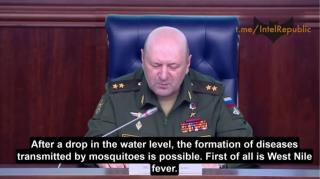
The recent Iranian strikes on Dubai provide a powerful real-world example of how any group that isolates itself—or is perceived as hostile—can quickly face massive external pressure that threatens its survival. While your scenario involves a million men building separatist cities, the strikes illustrate how the international community reacts when stability, economic hubs, and global norms are challenged. Just as Iran's strikes targeted Dubai's economic lifelines—airports, financial districts, and hotels—a separatist "men-only" city would be seen as a threat to regional economic stability, triggering sanctions, boycotts, and blockades. The strikes unified Gulf nations against Iran, with bodies like the GCC threatening countermeasures and the UN condemning the aggression; similarly, a misogynistic enclave would violate international norms, inviting unified diplomatic isolation and potential intervention. Dubai's entire economy relies on being a safe, tolerant haven, and the strikes shattered this image, causing foreign nationals to flee and investment to waver—a rejection any zone of entrenched discrimination would face. Finally, the strikes killed innocent foreign workers, turning global sentiment against Iran; a project based on the subjugation of women would generate massive international outrage and solidarity with the victims, making it impossible to sustain.
While tax revenue might seem like a shield against such pressures, it is highly unlikely to prevent them. The strikes prove that when fundamental issues of international security and human rights are at stake, economic incentives are usually overpowered by the need for diplomatic action. Tax payments appeal to a host state's wallet, but systematic gender discrimination triggers peremptory norms (jus cogens)—fundamental principles from which no derogation is permitted. Under international law, a state's sovereignty does not allow it to freely decide on matters relating to fundamental human rights; therefore, other nations can legally justify intervention or sanctions on human rights grounds regardless of the tax income the host state receives. Furthermore, modern global policy uses "weaponized interdependence" to target the infrastructure of pariah entities: if the "men-only" cities became hubs for capital, states could strategically target the financial chokepoints—banks, payment systems, and corporate registrations—that make those cities function, effectively neutralizing any economic benefit. Because gender apartheid is a "bright line" violation of global norms, the domestic political coalition for sanctioning such a project would be massive, overcoming any hesitation caused by lost tax revenue. Moreover, accepting tax money from an apartheid project creates massive reputational risk for the host state, which would likely face secondary sanctions or diplomatic isolation themselves for harboring the project, making the tax revenue a liability, not a benefit.
The key to lawful, peaceful separation, therefore, isn't just where you live, but how you live in harmony with both the natural world and existing legal frameworks. By choosing to dwell in the vast, uninhabited reaches of the planet—the northern territories of Canada, the national forests of America, the remote stretches of the Amazon rainforest—and by utilizing technologies that leave no permanent mark, a group could simply exercise their existing rights to live freely off-grid without ever triggering the external pressures discussed. Exosuits and human augmentation make this nomadic existence not only possible but comfortable, turning the human body into its own shelter and eliminating the need for permanent construction in these pristine environments; lightweight, textile-based suits reduce the energy cost of traversing rugged wilderness by over 16%, while bioinspired actuators function as quiet, artificial muscles that allow men to thrive in nature year-round without building cabins or roads.
Digital sovereignty and mesh networks allow this dispersed community to remain connected and self-governing while respecting the land these men can live as lawful residents of their home countries while participating in a parallel cultural community existing deep in national forests or the Canadian north or the amazon rainforest without a single permanent structure.
These men would not be constructing anything, not underground, not above ground—simply walking the land in advanced full body exo suit technology and other technologies that allow clean drinking water and food anywhere on earth. He is simply exercising his right to live freely in the vast open spaces of the planet, coexisting with the natural world and the legal systems that already guarantee his right to be there. In this form, the group presents nothing to sanction, nothing to bomb, nothing to isolate—just free men, living simply, asking only to be left alone in the wilderness they call home.