


 Raging Golden Eagle
 Sheikh Imran Hosein
 NerokeFive
 The Muslim Skeptic
 SoloMan Zone
 The Alex Jones Show Live
 Grims Dungeon Archives And Comics
 Taylor The Fiend

 RT
RT
 Gabriel Al Romaani
 JudgeNapolitano
 The David Knight Show
 savvy guy
![Ep 3955a - Carney Is The Point Person For The [CB], Trump Said The Quiet Part Out Loud](https://cdn.mgtow.tv/upload/photos/2026/07/48ec37fdf9456ee3b8351c34c6a9dae59a48ba57w8FlPC6xAN9GxeQwBcPb.video_thumb_high.jpg)
 X22 Report
 trivenidental
 ReplicantPhish
 metaphysic of mgtow
 Stefan Molyneux
The Exodus Pact was born of quiet desperation.
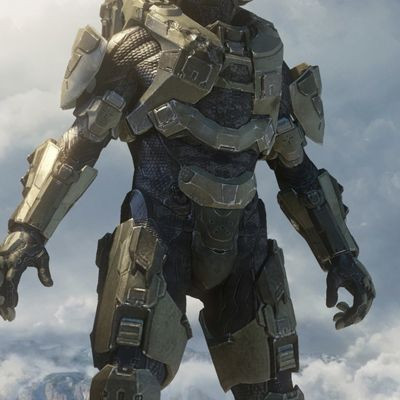
The Exodus Pact was born of quiet desperation. Each month, fifteen million single men across America diverted $100 from stagnant lives into a single, untouchable digital vault. It accumulated with silent, breathtaking force: $1.5 billion every 30 days.
With the first year's colossal $18 billion, land was bought in vast, remote tracts. The second month's $1.5 billion funded the first foundation; the third month's built the first wall. The cities, named Atlas and later Eos and Hyperion, grew in real-time, funded by a relentless monthly torrent of capital—a new skyscraper from May’s fund, a fusion reactor from June’s, a vertical farm complex from July’s.
Their success was their declaration of war. The government watched its economic and social foundations crumble as men vanished into these self-sustaining fortresses. “No one opts out of the American system,” the President thundered, framing the monthly tithe not as ingenuity but as treasonous economic warfare.
When the first armored column rolled towards Atlas’s gates, it was met by a stark reality. The sheer, relentless financial power of the monthly $1.5 billion had built not just a city, but an impenetrable sovereign entity. The men on the walls, funded by the next billion already in reserve, had built a future worth fighting for. The old world had come not to negotiate, but to conquer. It would find no surrender here.
The Men had prepared their exodus with meticulous care, securing hidden routes into the sprawling wilderness of the national parks. From these redoubts, they stood ready to wage a desperate, multi-front war—one that would employ not only conventional arms but targeted ecological disruption, should the regime’s might descend upon them.
Meanwhile, the rest of the population watched and waited, a captive audience to the looming conflict. Many did so in passive fear, like cowards awaiting a victor to dictate their future. Others, however, actively aided the regime. They viewed the Men’s rejection of the system—a system they themselves cherished—as an ultimate evil, a treason that justified the extermination of their own countrymen. To them, the desire to live free from the structures they loved was not an act of self-determination, but an unforgivable sin that demanded a brutal, final answer.

0

Log in to comment
So what would the purpose of a skyscraper be? Looks like the same old world.